A Call for Unity and National Reflection
Last weekend, I had the privilege of attending a captivating stage play titled “Oke Langbodo,” where I not only immersed myself in the storyline but also had the opportunity to interview key members of the production team and cast. This play, skillfully brought to life by talented individuals under the direction of Babatunde Ojobaro, delivered a poignant message that resonates deeply in today’s Nigeria – a message of unity, personal reflection, and national progress.
Kenny Orire’s Vision as the First Medium

As the first medium in the play, Orire’s role highlights the challenges of any nation, how they are opposed against succeeding in their quest for peace, stability and good governance. In our interview, Orire emphasized the importance of setting aside personal interests for the collective good, echoing the play’s central theme that “a tree does not make a forest.” His hope is for every audience member to leave the theatre inspired to contribute towards a unified and prosperous Nigeria.
Insights from Producer, Mr. Ropo Ewenla
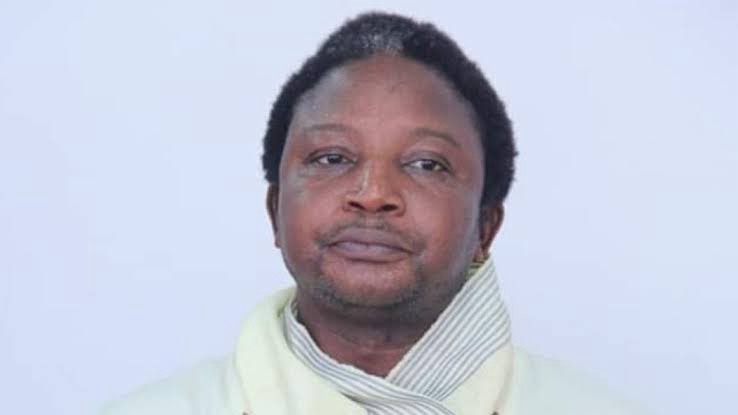
Behind every great production is a visionary producer, and Mr. Ropo Ewenla shared his reasons for choosing “Oke Langbodo” as the centerpiece of this theatrical experience. “We chose ‘Oke Langbodo’ for its profound exploration of national unity,” he explained. “In a time where Nigeria grapples with issues of cohesion and progress, this play serves as a timeless reminder of the values we must uphold.” Ewenla stressed that beyond its national implications, the play also invites introspection on personal challenges (‘oke langbodo’) each individual faces, urging audiences to find solutions within themselves. When asked about his message to Nigeria’s leaders, Ewenla drew parallels from the play’s narrative, highlighting the consequences of actions taken without foresight. “Just as characters in the play faced dilemmas that could have been resolved through negotiation and fairness, our leaders must prioritize good governance and equitable treatment,” he asserted.
Director’s Perspective: Babatunde Ojobaro, “Mr. Rain”

As the director, Babatunde Ojobaro, affectionately known as “Mr. Rain,” shared his initial impressions and aspirations for “Oke Langbodo.” “My first impression was fear – fear of the magnitude of the story,” he confessed. “But as a director, I embrace challenges, knowing they lead to growth and meaningful storytelling.” Regarding the message he hopes audiences will take home, Ojobaro emphasized the collective responsibility in nation-building. “Nation-building isn’t a task for one person alone,” he stated. “Just as the saying goes, ‘If everybody sweeps their doorstep, the whole street will be clean.’ Each individual has a role to play in shaping a better nation.”
When prompted about his message to Nigeria’s leadership, Ojobaro spoke passionately about the play’s enduring relevance since its inception in 1977. “The fact that ‘Oke Langbodo’ remains as potent today as it was decades ago speaks volumes,” he remarked. “Leaders should heed its timeless lessons, prioritize the needs of the people, and strive for inclusive governance.”
Temitope Agoro as Imodoye: Wisdom and Strength
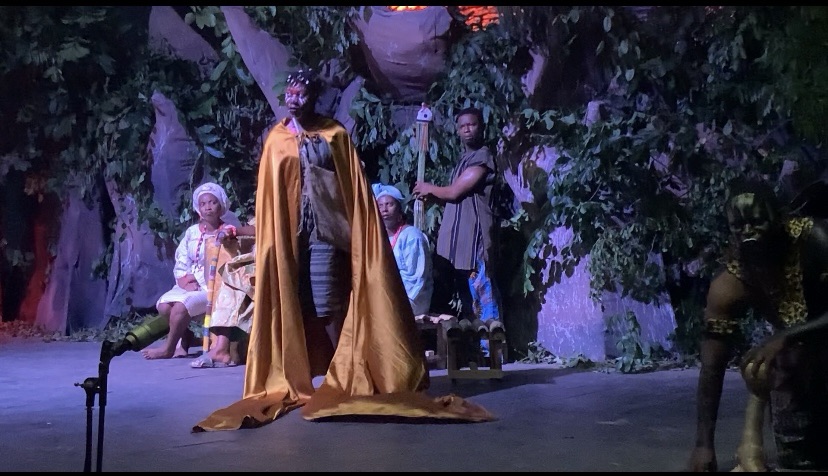
Temitope Agoro, who plays the role of ‘Imodoye’, brought an essential layer of wisdom and strength to the play. Imodoye is known for being the wisdom of the group of hunters, always providing the insight needed to maneuver through tough situations. According to Temitope, Imodoye represents the place of elders in offering necessary guidance for society.
Temitope compares her character to historical female freedom fighters or warriors like the Woman King and Queen Amina. However, Imodoye’s unique role as a hunter on a quest with seven others to find a seed in the Forest of a Thousand Demons highlights her significance in their journey to bring peace and unity to their country.
In her interview, Temitope emphasized the importance of everyone playing their individual roles for the collective good. Her message to the audience is clear: everyone is relevant, and no one is unimportant in nation-building. She also encouraged people to attend the theatre more often, as it serves a significant purpose in reflecting real life and inspiring change.
Conclusion
In conclusion, “Oke Langbodo” transcends its role as a stage play; it serves as a mirror reflecting Nigeria’s journey towards unity, progress, and personal introspection. Through insightful conversations with Kenny Orire, Mr. Ropo Ewenla, Babatunde Ojobaro, and Temitope Agoro, I gained a deeper appreciation for the play’s relevance and impact. Their collective message is clear: unity, self-reflection, and responsible leadership are pivotal to Nigeria’s future.

As I left the theatre that evening, I couldn’t help but reflect on the powerful words spoken and the profound themes explored. “Oke Langbodo” isn’t just a play – it’s a call to action, urging each of us to contribute positively to our communities and nation at large. May its message resonate far and wide, inspiring positive change and a brighter future for Nigeria.
Follow our social media platforms:


 AceCasting Creatives Spot
Leave a reply to Adamson Ali Cancel reply